
Warm Foods for Cold Digestion: Using Oriental Food Therapy to Reduce Winter Bloating and Fatigue
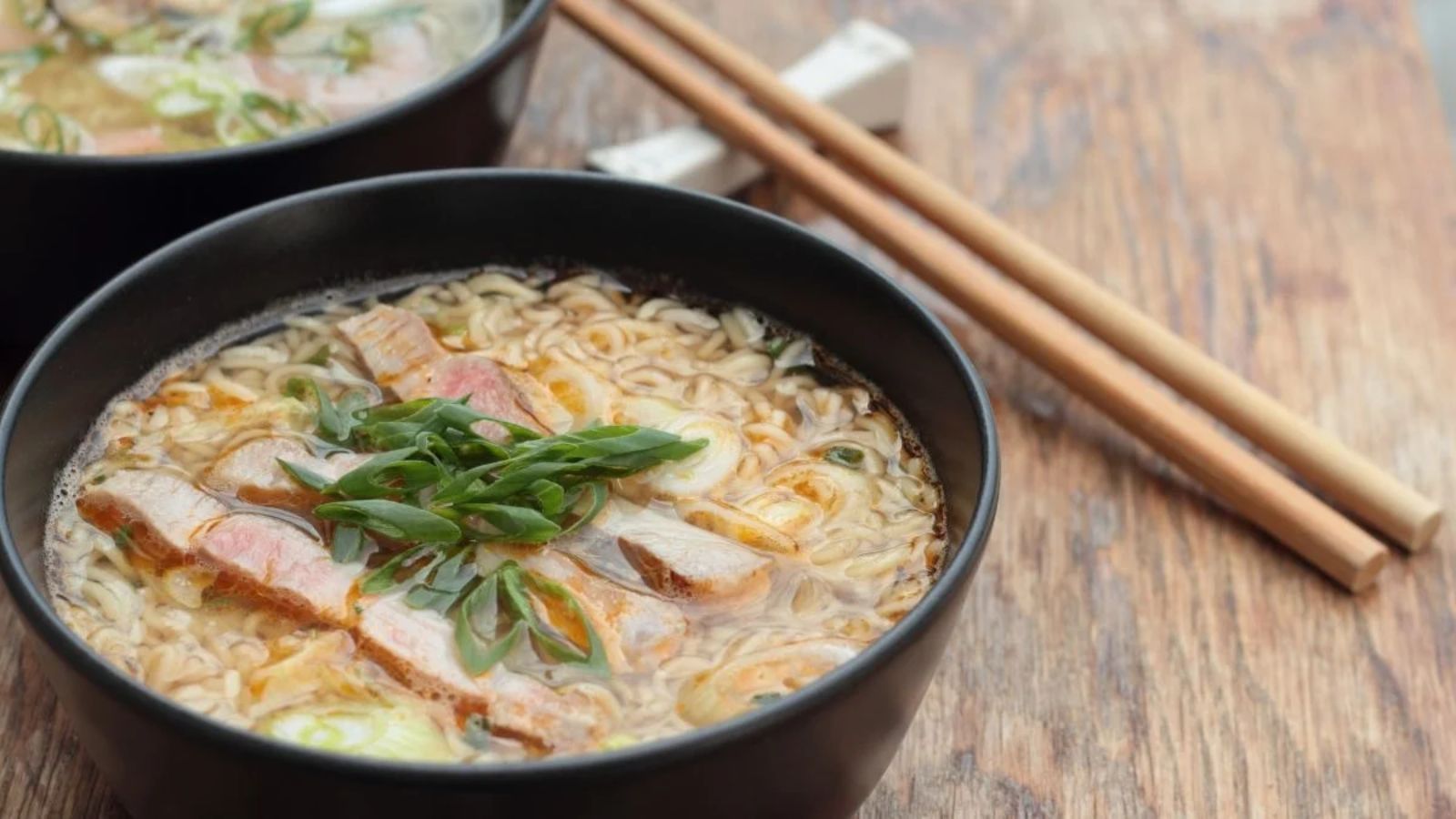
Cold weather can change eating habits. Some people turn to heavier meals, drink less water, or notice more bloating and sluggishness after eating. These changes raise a practical question: Can choosing warmer foods make winter digestion more comfortable?
Oriental food therapy offers a traditional approach to seasonal eating. It considers the warming and cooling qualities attributed to foods, individual digestive patterns, and preparation methods. Understanding these principles can help people make thoughtful food choices without assuming that every digestive complaint has the same cause.
Understanding Cold Digestion
In Traditional Chinese Medicine (TCM), practitioners may describe certain digestive symptoms using concepts such as internal cold or Spleen Qi deficiency. These traditional classifications are not equivalent to biomedical diagnoses.
Practitioners may consider a combination of symptoms, including:
- Abdominal discomfort that improves with warmth
- A preference for warm drinks and meals
- Loose stools
- Low energy or sluggishness
These signs alone do not establish a diagnosis. Bloating and fatigue can also result from constipation, food intolerances, medication effects, poor sleep, or other health conditions.
Oriental food therapy uses traditional patterns to guide food choices. Someone who feels uncomfortable after large meals might try smaller portions and observe whether symptoms change. The aim is to identify a suitable eating pattern rather than follow rigid rules.
Warm Foods for Winter Meals
Warming foods do not have to be spicy or complicated. Soups, porridges, stews, and cooked vegetables offer practical ways to prepare nourishing meals during colder months.
Useful options include:
- Rice porridge or oatmeal: These provide a warm breakfast base. Add eggs, nuts, or another protein source to make the meal more balanced.
- Ginger-infused soups: Ginger adds flavor to chicken, tofu, and vegetable soups. It may help with certain digestive complaints, although it does not reliably relieve every type of bloating.
- Cooked root vegetables: Carrots, sweet potatoes, and squash provide nutrients and fiber. Some people find cooked vegetables more comfortable to eat than large servings of raw produce.
- Slow-cooked stews: Combining protein, vegetables, and grains creates a satisfying meal. Adjust ingredients such as beans if they regularly cause gas.
Start with familiar foods that suit individual preferences and tolerances. For example, rice porridge with egg can provide a balanced breakfast without requiring specialized ingredients or restrictive food rules.
Reducing Winter Bloating and Fatigue
Warm meals may make eating more comfortable for some people, but food temperature alone does not determine digestive health. Portion size, ingredients, eating speed, and individual food tolerance also matter.
Practical adjustments to consider include:
- Adjust meal portions: Someone who regularly feels bloated after a large lunch might try a moderate portion of soup, rice, and protein instead of a heavy, fried meal. Any improvement could reflect the smaller portion or different ingredients rather than the meal’s temperature.
- Choose a more balanced breakfast: A breakfast consisting mainly of sweetened coffee and refined carbohydrates may not provide lasting satiety. Adding whole grains and protein can offer a more balanced alternative. Persistent tiredness, however, may have causes that food changes cannot address.
- Track symptoms: A food-and-symptom diary can help identify patterns by recording meals, approximate portions, digestive discomfort, bowel changes, and energy levels.
Change one habit at a time where possible. Avoid eliminating multiple food groups based on a single uncomfortable meal.
Building a Balanced Winter Eating Routine
A common misconception is that winter food therapy requires avoiding all cold drinks, raw vegetables, or dairy products. These restrictions are not necessary for everyone.
Raw fruits and vegetables remain nutritious, and cold foods are not inherently harmful to digestion. Individual tolerance and overall dietary quality are more useful guides than rigid temperature rules.
A sustainable routine should account for habits that influence digestive comfort:
- Increase fiber gradually: Large, sudden increases in beans, bran, or certain vegetables may worsen gas and bloating.
- Drink fluids regularly: Cold weather can reduce the urge to drink, even though hydration remains important.
- Adjust spices to tolerance: Ginger, chili, and pepper can aggravate reflux or discomfort in some people.
- Keep meals nutritionally balanced: Include suitable sources of protein, carbohydrates, and vegetables rather than relying exclusively on soups or porridge.
These adjustments translate traditional food principles into everyday choices without creating unnecessary restrictions. The goal is a routine that provides adequate nutrition and remains comfortable over time.
When to Consider Individualized Guidance
Oriental food therapy can encourage mindful eating and attention to food tolerance. However, evidence supporting specific warming-food classifications as treatments for bloating and fatigue remains limited.
At Southlake Natural Family Wellness, nutritional therapy addresses individual concerns such as digestive symptoms, food sensitivities, and dietary needs. People who need help reviewing their eating habits can explore the practice’s nutritional therapy services.
Persistent or worsening bloating and fatigue should be discussed with a qualified healthcare professional. Severe abdominal pain, repeated vomiting, blood in the stool, or unexplained weight loss warrants prompt medical assessment.
Food-based approaches should complement appropriate care, not delay investigation of symptoms that may indicate an underlying medical condition.
Choosing Warm Foods With a Purpose
Oriental food therapy offers a traditional perspective on seasonal eating, but the most useful approach is not to classify every food as beneficial or harmful. Start with balanced, well-tolerated meals, observe how symptoms respond, and make gradual adjustments. Persistent bloating or fatigue deserves appropriate medical assessment rather than increasingly restrictive food choices.
Frequently Asked Questions
Is Oriental food therapy the same as a healthy diet?
No. Oriental food therapy uses traditional concepts, including the warming and cooling qualities attributed to foods. General nutrition guidance focuses on dietary variety, nutrient adequacy, and overall eating patterns. The approaches can overlap but use different frameworks.
Do warming foods need to be spicy?
No. Foods considered warming within traditional systems do not necessarily need chili or strong spices. Soups, cooked grains, and stews can fit this approach without adding ingredients that may aggravate reflux.
Can ginger help with bloating after meals?
Ginger has been studied for certain digestive complaints, particularly nausea, but evidence for general bloating is less conclusive. It can also trigger heartburn in some people, so individual tolerance matters.
Should everyone follow a warming-food diet during winter?
No. Food choices should reflect individual preferences, nutritional needs, and tolerance. There is no general medical requirement to avoid cold foods or eat only cooked meals during winter.
Can food therapy replace medical treatment for persistent bloating?
No. Food therapy may complement everyday wellness habits, but persistent or worsening bloating can have several causes. A healthcare professional can help determine whether further evaluation or treatment is needed.
About Farrah Hamraie
Farrah Hamraie, L.Ac, MOM, Dipl.OM (NCCAOM), is licensed and board-certified in Acupuncture and Herbal Medicine in the State of Texas with a Master of Oriental Medicine from the Dallas College of Oriental Medicine.
She is also a Diplomat of NCCAOM (the National Certification Commission for Acupuncture and Oriental Medicine), a Board Certified Acupuncturist, a Chinese Herbalist, and a member of the American Association of Oriental Medicine.
Contact us today.


