
Perimenopause in Spring: Managing Hot Flashes and Sleep Changes with Acupuncture
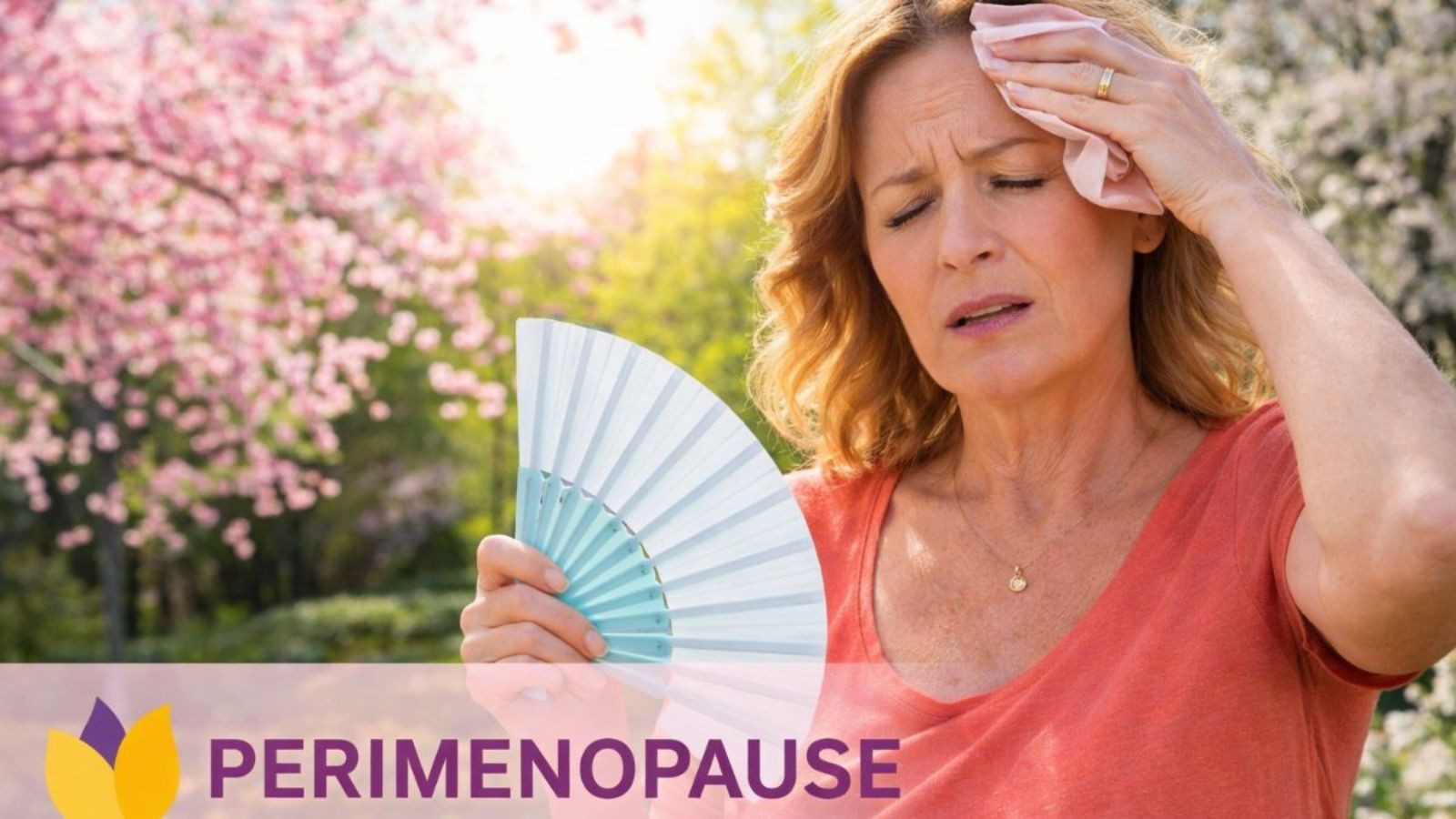
Acupuncture offers a natural approach to managing the common symptoms experienced during perimenopause. Hot flashes, night sweats, and changes in sleep patterns often become more noticeable in spring due to seasonal shifts and hormonal fluctuations. Integrating acupuncture into health routines may help regulate energy flow and reduce discomfort associated with perimenopause.
Spring provides an opportunity to focus on holistic wellness strategies. Along with acupuncture, regular physical activity and lifestyle adjustments in diet, activity levels, and stress relievers can support overall health during perimenopause. Early adoption of such practices may improve quality of life and minimize symptom severity throughout the season.
Understanding Perimenopause Symptoms
Perimenopause brings several noticeable changes as hormone levels fluctuate. Common symptoms include:
Hot Flashes
Sudden sensations of heat, sometimes with sweating and palpitations, often appear more frequently in spring. Perimenopause acupuncture may help reduce their frequency and intensity by promoting hormonal balance and calming the nervous system.
Sleep Disturbances
Difficulty falling asleep or frequent awakenings can disrupt rest and daily energy. Acupuncture can stimulate points that support relaxation and improve sleep quality. It may help the body fall asleep more easily.
Mood Shifts
Irritability, anxiety, or emotional fluctuations can accompany hormonal changes. Regular acupuncture sessions may help stabilize mood by supporting the stress response.
Metabolic Changes
Changes in weight distribution or energy levels may occur, sometimes leading to weight gain. Lifestyle adjustments combined with acupuncture can support overall wellness.
How Perimenopause Acupuncture Supports Hormonal Balance
Acupuncture targets specific points on the body to encourage the smooth flow of energy, or Qi, which can influence hormone regulation.
- Improves circulation and energy balance, which may benefit heart rate regulation
- Reduces short-term stress hormone levels that exacerbate hot flashes
- Supports adrenal and thyroid function, indirectly influencing perimenopause symptoms and strengthening the immune system
A treatment plan for perimenopause acupuncture typically involves multiple sessions spaced over weeks or months. The frequency and points used are tailored to symptom severity and individual health profiles.
Consistent therapy may enhance outcomes, particularly for managing sleep disruptions and hot flashes during seasonal transitions. Acupuncture is considered an effective treatment for long-term symptom relief.
Lifestyle Strategies Complementing Acupuncture
In addition to acupuncture, lifestyle adjustments can enhance symptom management during perimenopause in spring. Diet, exercise, and stress reduction practices all play a role in maintaining hormonal stability.
Dietary Considerations
Certain foods can influence hormonal balance and symptom severity.
| Food Type | Effect on Symptoms | Notes |
|---|---|---|
| Soy and legumes | Contain phytoestrogens that may reduce hot flashes | Incorporate moderate portions daily |
| Leafy greens | Support liver detoxification | Helps process excess hormones |
| Whole grains | Stabilize blood sugar | Supports energy and mood regulation |
| Caffeine and alcohol | May trigger hot flashes | Limiting intake can reduce symptom spikes |
Exercise and Stress Management
Regular physical activity contributes to hormone regulation and overall well-being. Moderate aerobic exercise, stretching, and strength training can reduce the severity of hot flashes and improve sleep.
Stress management techniques such as meditation, deep breathing, or yoga complement perimenopause acupuncture by lowering cortisol levels. Reducing stress helps prevent the worsening of symptoms like insomnia and night sweats.
Managing mood swings can be supported by mindfulness practices, journaling, and connecting with supportive social networks. These approaches help regulate emotional responses and can work alongside acupuncture to stabilize mood fluctuations.
Monitoring Progress and Adjusting Treatments
Tracking symptom patterns can inform treatment adjustments and optimize results. Keeping a log of hot flashes, sleep disruptions, and acupuncture sessions allows for more precise evaluation of progress.
| Symptom | Frequency | Intensity | Notes |
|---|---|---|---|
| Hot flashes | 3–5 times daily | Moderate | Occur mostly mid-afternoon |
| Night sweats | 2–3 nights weekly | Mild | Less severe after acupuncture session |
| Sleep disturbances | Wakes 2–3 times nightly | Moderate | Improved relaxation techniques aid sleep |
| Weight changes | Weekly | Mild | Monitored alongside lifestyle adjustments |
Adjusting acupuncture points, session frequency, or incorporating additional therapies may be necessary for optimal symptom management. Collaboration with trained acupuncturists ensures that treatment plans remain safe and effective throughout perimenopause.
Frequently Asked Questions
What is the role of acupuncture in managing perimenopause symptoms?
Perimenopause acupuncture may help balance hormones, reduce hot flashes, and improve sleep quality. Treatments stimulate specific points that influence energy flow and nervous system regulation.
How often should acupuncture sessions occur for the best results?
Sessions are often scheduled once or twice weekly initially, then adjusted based on symptom response. A consistent treatment plan provides better long-term relief from hot flashes and sleep disturbances.
Are lifestyle changes necessary with acupuncture?
Combining diet, exercise, and stress reduction with acupuncture can enhance outcomes. Holistic approaches address both hormonal and environmental factors contributing to perimenopause symptoms.
Is acupuncture safe for all women in perimenopause?
Acupuncture is generally considered safe when performed by licensed practitioners. Individual health conditions should be discussed beforehand to ensure appropriate treatment.
About Farrah Hamraie
Farrah Hamraie, L.Ac, MOM, Dipl.OM (NCCAOM), is licensed and board-certified in Acupuncture and Herbal Medicine in the State of Texas with a Master of Oriental Medicine from the Dallas College of Oriental Medicine.
She is also a Diplomat of NCCAOM (the National Certification Commission for Acupuncture and Oriental Medicine), a Board Certified Acupuncturist, a Chinese Herbalist, and a member of the American Association of Oriental Medicine.
Contact us today.


