
Post-Surgery Recovery: How Acupuncture Supports Faster, Natural Healing
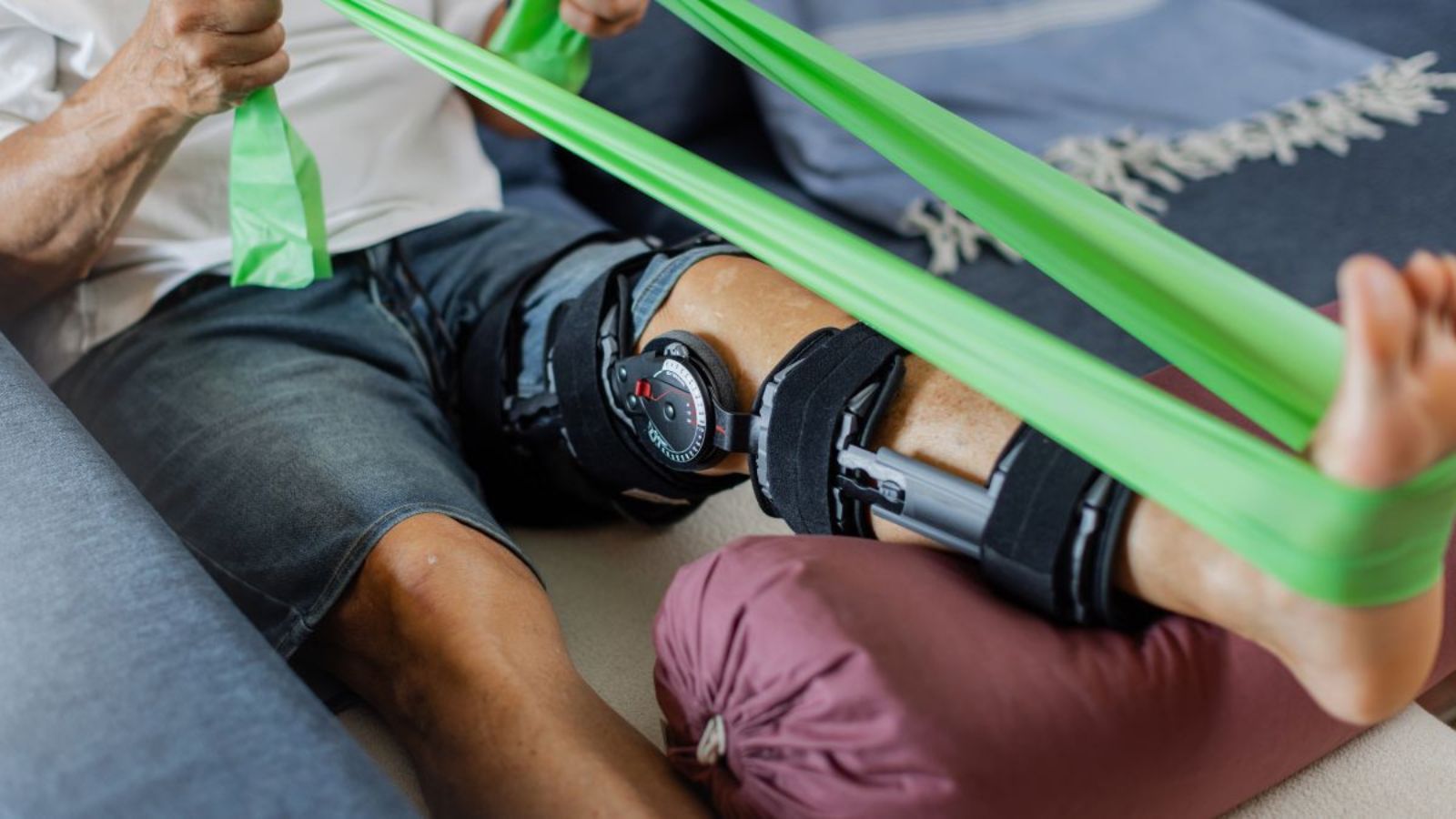
Post-surgery recovery can be slowed by pain, swelling, and stiff joints that limit physical activity. Acupuncture can aid healing by improving circulation, reducing inflammation, and easing pain, which may reduce the need for strong pain medication or other pain relievers.
Gentle acupuncture works with the body’s natural repair systems and can complement surgery, medications, and rehab to promote smoother recovery with fewer side effects. Learn how acupuncture benefits post-surgery recovery, what to expect, and how to integrate it safely into a treatment plan.
Post-Surgery Recovery: How Acupuncture Supports Faster, Natural Healing
Benefits of Acupuncture for Post-Surgery Recovery
Acupuncture can accelerate tissue repair, decrease pain and swelling, improve movement, and help reduce reliance on pain medication. Targeted sessions often fit alongside surgery, prescribed drugs, and physical therapy to support faster and more comfortable recovery.
Accelerating Healing and Tissue Regeneration
By improving local blood flow, acupuncture delivers oxygen and nutrients needed for cellular repair. Studies show that needling near surgical sites or along relevant nerve pathways can increase microcirculation. This improved circulation supports stitches, grafts, and soft tissue repair, and may also shorten the time needed for tissue closure.
Acupuncture may also influence growth factors and immune signaling that guide tissue remodeling. Multiple sessions are typically scheduled by clinicians in the first weeks after surgery. The timing aligns with the body’s natural inflammatory response and repair phases, promoting faster recovery.
Minimizing Pain and Inflammation
Acupuncture triggers the release of endorphins and other natural pain-relief chemicals, lowering perceived pain without adding drug side effects. Inflammatory mediators are also modulated, which can reduce redness, swelling, and tenderness at or near the surgical site.
Reports show pain scores often drop after one or two sessions, especially when acupuncture begins within days of surgery. Local points near the incision are combined with distal points that calm the nervous system, providing short-term comfort and longer-lasting reductions in postoperative inflammation.
Enhancing Mobility and Function
By lowering pain and easing stiffness, acupuncture helps patients regain range of motion sooner. This is critical after joint or soft-tissue surgery, where early gentle movement prevents adhesions and muscle atrophy.
Practitioners tailor point selection to the operated area and to the patient’s rehab goals. Sessions often complement physical therapy: acupuncture reduces guarding and soreness so patients can participate more fully in exercise, leading to faster recovery of strength and functional tasks like walking, reaching, or climbing stairs.
Reducing Reliance on Medication
Acupuncture offers a non-pharmacologic option to manage post-op pain, which can cut the need for opioids and high-dose NSAIDs. Fewer medications lower the risk of side effects such as constipation, nausea, sedation, and renal strain.
Clinicians create step-down plans where acupuncture begins in the hospital or outpatient clinic and continues during the first weeks at home. When used alongside multimodal analgesia, acupuncture helps patients meet pain control targets with lower drug doses, improving safety and often speeding the return to daily activities.
Integrating Acupuncture Into a Post-Surgical Recovery Plan
Acupuncture can reduce pain, lower inflammation, and help with nausea and sleep during recovery. Patients should coordinate treatments with their surgeon and rehab team, pick a licensed acupuncturist, and follow wound-care and activity rules.
Timing and Frequency of Treatments
Start timing based on the type of surgery and the surgeon’s advice. For minor procedures, treatments may begin within 24–72 hours if there is no infection and dressings allow. For major or open surgeries, waiting until initial wound closure and stable vitals, often 1–2 weeks, is safer.
Frequency often begins with 2–3 sessions per week for the first 2–4 weeks to control acute pain and swelling. Then taper to once weekly or every 2 weeks as symptoms improve. Sessions typically last 20–40 minutes.
Track pain scores, swelling, sleep, and mobility after each visit to guide adjustments. If symptoms worsen or signs of infection appear, pause acupuncture and contact the surgical team.
Combining Acupuncture With Conventional Therapies
Acupuncture complements standard post-surgery recovery therapies but does not replace them.
- Medication: Can reduce the need for pain relievers, but must follow prescribed dosing.
- Physical therapy: Acupuncture before or after sessions helps loosen tissues and reduce pain, supporting better functional outcomes.
- Wound care: Avoid acupuncture at open wounds, drains, grafts, or near implants. Clearance from the surgical team is recommended.
Acupuncture Safety Considerations After Surgery
Use only licensed acupuncturists with post-op experience. Verify certification and ask about prior work with similar surgeries.
Inform the acupuncturist about:
- Surgery type and date
- Incisions, drains, implants, or grafts
- Current medications, especially blood thinners
- Signs of infection or wound breakdown
Needle choice and technique matter. Practitioners should use single-use sterile needles and avoid deep needling near fresh incisions or prosthetic hardware. Electroacupuncture and cupping may be modified or avoided if they stress healing tissue.
Watch for side effects: mild bruising, temporary soreness, or lightheadedness are common. Stop treatment and seek medical care for increasing redness, swelling, fever, or drainage.
About Farrah Hamraie
Farrah Hamraie, L.Ac, MOM, Dipl.OM (NCCAOM), is licensed and board-certified in Acupuncture and Herbal Medicine in the State of Texas with a Master of Oriental Medicine from the Dallas College of Oriental Medicine.
She is also a Diplomat of NCCAOM (the National Certification Commission for Acupuncture and Oriental Medicine), a Board Certified Acupuncturist, a Chinese Herbalist, and a member of the American Association of Oriental Medicine.
Contact us today.


