
Self-Love and Self-Care: The Foundation of Wellness and Daily Resilience
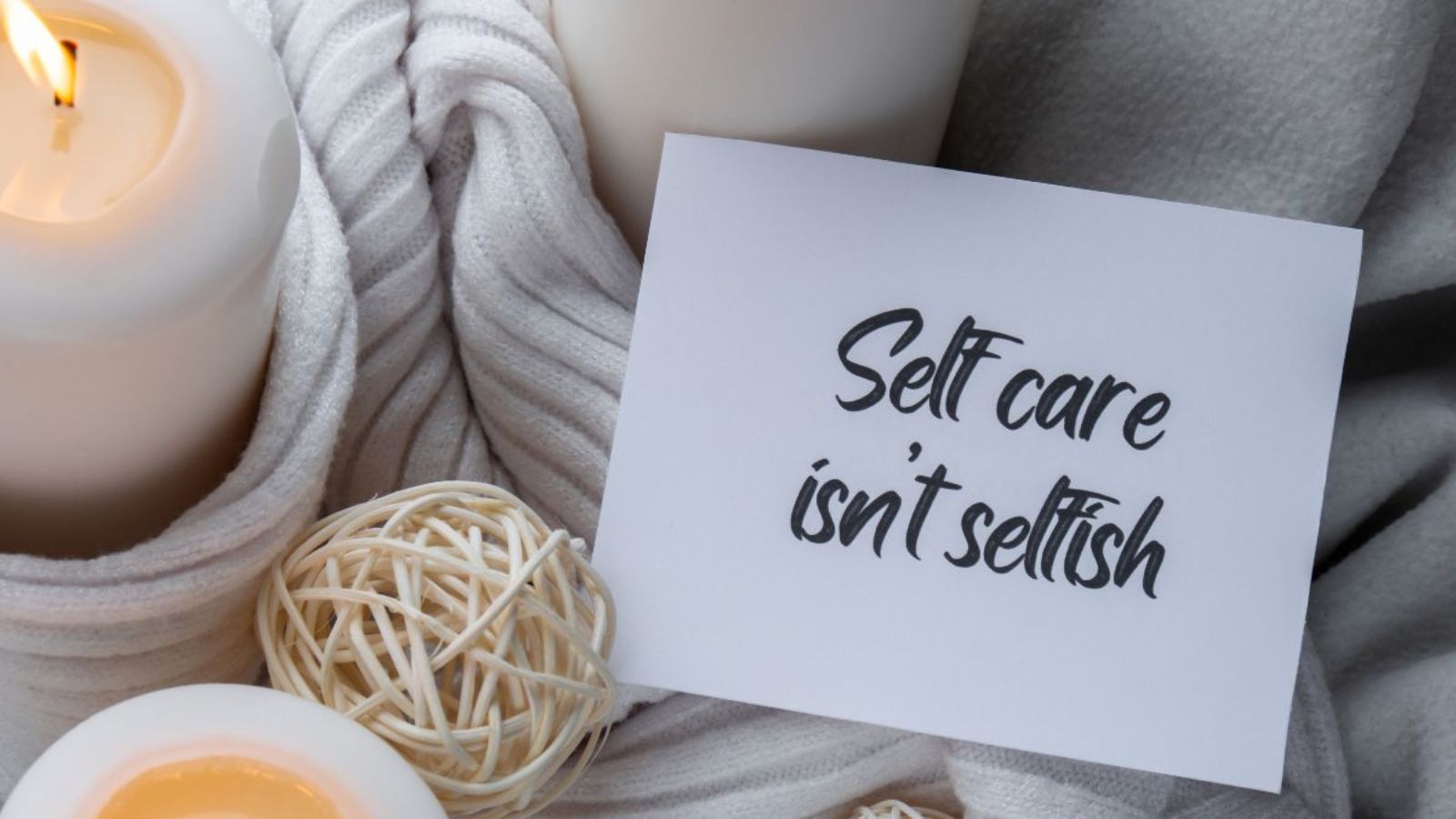
Self-love and self-care are not luxuries, they are essential foundations for long-term wellness. In today’s fast-paced world, many people spend their energy caring for others, meeting deadlines, and solving problems, while their own needs are placed last.
Over time, this imbalance can affect sleep, digestion, mood, and overall vitality. Small, consistent acts of care help regulate the nervous system, restore energy, and build emotional resilience.
This guide explores what self-love and self-care truly mean, how they differ, and how simple daily practices can support balance in both mind and body.
Understanding Self-Love and Self-Care
Self-love influences how we speak to ourselves and how we honor our limits. Self-care includes the intentional actions we take to nourish and restore our physical and emotional health. Together, they create a steady foundation for overall well-being.
What Is Self-Love?
Self-love is the practice of treating yourself with compassion, patience, and honesty. It is an inner attitude that acknowledges both strengths and imperfections without harsh judgment.
In holistic health, self-love supports nervous system regulation and emotional balance.
Key elements include:
- Self-acceptance: Recognizing emotions without suppressing them
- Self-respect: Setting boundaries that protect time and energy
- Emotional awareness: Seeking support when stress feels overwhelming
When self-love becomes consistent, it reduces guilt around rest, supports healthier choices, and strengthens resilience during challenging seasons of life.
What Is Self-Care?
Self-care is the daily practice of restoring balance. It includes physical habits, emotional support, and lifestyle rhythms that keep the body functioning optimally.
Examples include:
- Consistent sleep and nourishing meals
- Gentle movement such as walking or yoga
- Time for quiet reflection or journaling
- Acupuncture or herbal support to rebalance the body
Effective self-care does not have to be complicated. Small, repeatable habits, even five minutes of deep breathing, can help calm the stress response and support long-term wellness.
The Role of Self-Worth in Wellness
At the heart of both self-love and self-care is self-worth, the belief that you deserve support, healing, and rest.
When self-worth is strong:
- Boundaries feel easier to set
- Rest does not feel selfish
- Preventative care becomes a priority
Strengthening self-worth may begin with small steps, such as replacing self-critical thoughts with balanced ones or acknowledging one positive action each day.
Over time, these practices shift internal dialogue from pressure to support.
Building a Daily Wellness Foundation
Lasting wellness develops through simple daily rituals. When repeated consistently, these small actions create stability and resilience.
Self-Acceptance and Positive Self-Talk
Your internal dialogue affects stress levels more than most people realize. Harsh self-criticism can activate the body’s stress response, while supportive language helps regulate it.
Try replacing “I failed” with “That didn’t go as planned, but I can try again.” Small reframes reduce tension and encourage growth.
Daily practices may include:
- Morning affirmations
- Brief evening reflection
- Labeling negative thoughts and gently reframing them
Consistency matters more than perfection. Even a few minutes per day builds emotional strength.
Physical Self-Care Practices
Physical care anchors emotional balance.
Prioritize:
- 20–30 minutes of gentle movement most days
- Consistent sleep routines
- Balanced, whole-food meals
- Adequate hydration
In traditional Eastern medicine, rhythm and routine help regulate energy flow throughout the body. When sleep and nutrition improve, stress resilience often follows.
For some individuals, acupuncture and herbal medicine can further support energy balance, digestion, and mood regulation.
Mental and Emotional Self-Care Strategies
Brief daily pauses can help reset the nervous system.
Consider:
- Five-minute breathing exercises
- Stepping outside for fresh air
- Writing one sentence in a journal
- Checking in with one emotion and one need
When overwhelm builds, gentle support is important. Talking with a trusted friend or seeking holistic care can help restore equilibrium.
Setting boundaries, whether around work, social commitments, or screen time, also protects mental clarity and emotional stability.
About Farrah Hamraie
Farrah Hamraie, L.Ac, MOM, Dipl.OM (NCCAOM), is licensed and board-certified in Acupuncture and Herbal Medicine in the State of Texas with a Master of Oriental Medicine from the Dallas College of Oriental Medicine.
She is also a Diplomat of NCCAOM (the National Certification Commission for Acupuncture and Oriental Medicine), a Board Certified Acupuncturist, a Chinese Herbalist, and a member of the American Association of Oriental Medicine.
Contact us today.


