
Postpartum Anxiety vs. Baby Blues: The Natural Way to Steady Your Hormones
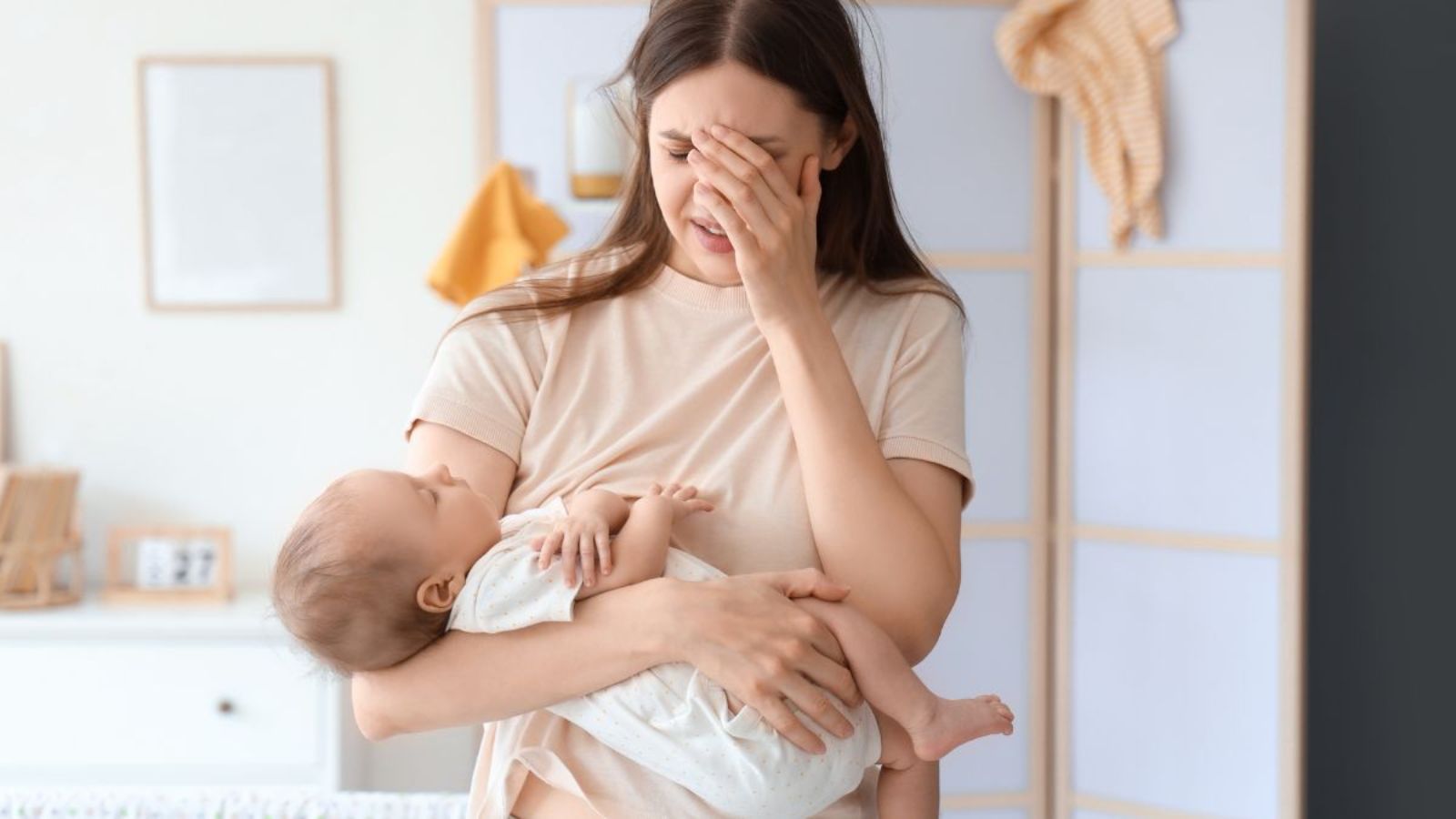
The weeks after childbirth bring significant physical and emotional changes. As the body recovers from pregnancy, hormone levels shift rapidly while sleep, daily routines, and the demands of caring for a newborn change just as quickly.
During this time, emotional ups and downs are common. Many mothers experience the baby blues as part of normal postpartum recovery. Others develop postpartum anxiety, a condition that extends beyond temporary mood changes and can interfere with everyday life.
Understanding the difference helps families recognize when reassurance may be enough and when additional care should be considered.
Not Every Emotional Change Means Postpartum Anxiety
The baby blues typically begin within the first several days after delivery. They are largely driven by the body’s rapid hormonal changes and the adjustment to life with a newborn.
Common experiences include:
- Tearfulness
- Mood swings
- Feeling emotionally overwhelmed
- Irritability
- Fatigue
- Difficulty concentrating
Although these symptoms can feel intense, they generally improve within the first two weeks.
A pattern often observed during postpartum recovery is that emotions associated with the baby blues tend to come and go. Difficult moments are usually followed by periods where a mother feels more like herself, even if only briefly.
When Worry Becomes the Constant
Unlike the baby blues, postpartum anxiety often centers on persistent worry rather than sadness. The concern is not simply feeling emotional but feeling unable to switch off the mind, even when everything appears to be going well.
Some mothers describe constantly anticipating that something could go wrong. Others repeatedly check on their baby, struggle to relax when someone else is helping, or remain mentally alert long after the baby has fallen asleep.
Common signs may include:
- Racing thoughts
- Excessive checking on the baby
- Difficulty relaxing
- Trouble sleeping despite exhaustion
- Feeling physically tense or restless
- Persistent “what if” thinking
Rather than gradually easing as routines become familiar, these patterns often remain consistent or become more disruptive over time. Recognizing this shift is often one of the clearest indicators that the experience extends beyond the normal emotional adjustment after childbirth.
Hormones Recover Alongside the Rest of the Body
Hormonal changes are an important part of postpartum recovery, but they rarely tell the whole story.
After childbirth, estrogen and progesterone decline quickly while the body continues healing from pregnancy and delivery. At the same time, interrupted sleep, nutritional demands, breastfeeding, and everyday stress all influence how the body adapts during the weeks that follow.
From a practitioner’s perspective, mothers with similar pregnancies and healthy deliveries may still recover differently. Hormone regulation reflects the body’s overall recovery, making it important to consider physical healing, emotional well-being, and daily demands together rather than focusing on hormone levels alone.
Natural Ways to Encourage Hormonal Recovery
Supporting hormone balance after childbirth is usually about creating conditions that allow the body to recover gradually instead of searching for a single solution.
During the early weeks of recovery, healthcare providers often encourage mothers to establish manageable routines before attempting major lifestyle changes. Building consistent daily habits is generally more sustainable than trying to do everything at once.
Helpful practices may include:
- Eating regular meals that provide adequate protein and nutrient-rich foods
- Staying hydrated, particularly while breastfeeding
- Accepting help from family or friends to create opportunities for meaningful rest
- Returning to gentle movement after receiving medical clearance
- Limiting unnecessary mental overload from constant information, comparison, or pressure to recover quickly
These habits do not change hormone levels overnight. Instead, they help create an environment where the body’s natural recovery processes can gradually become more stable over time.
Acupuncture as Part of a Broader Recovery Plan
Many women include acupuncture as part of a broader postpartum wellness plan because recovery involves more than addressing a single symptom.
In Traditional Chinese Medicine, postpartum care focuses on restoring balance after the physical demands of pregnancy and childbirth. Because every recovery is different, treatment plans are individualized based on each mother’s symptoms, stage of healing, sleep quality, energy levels, and overall well-being rather than concentrating solely on anxiety.
Acupuncture is commonly used alongside balanced nutrition, appropriate physical activity, and routine medical care. Within an integrative approach, the goal is to encourage the body’s natural healing processes while supporting physical and emotional recovery over time.
Recognizing When Additional Care Is Needed
Natural approaches can play an important role during postpartum recovery, but persistent anxiety should not be dismissed as something every new mother simply has to manage on her own.
Professional evaluation is appropriate when anxiety:
- Continues without improving
- Interferes with caring for the baby or completing daily activities
- Causes repeated panic attacks
- Makes it difficult to eat or rest
- Includes persistent intrusive thoughts or overwhelming fear
Early assessment helps identify contributing factors and allows care to be tailored to the mother’s individual needs.
Finding Balance During Postpartum Recovery
Understanding the difference between the baby blues and postpartum anxiety helps mothers and families recognize when emotional changes are part of normal recovery and when additional support may be needed. While hormones play an important role, recovery also depends on physical healing, rest, nutrition, and overall well-being.
Natural approaches, including healthy daily habits and acupuncture, can complement postpartum care. If anxiety persists or becomes more disruptive over time, seeking professional guidance allows recovery to be supported with an individualized plan.
Frequently Asked Questions
How are the baby blues different from postpartum anxiety?
The baby blues are usually temporary and improve within the first two weeks after childbirth. Postpartum anxiety involves persistent worry or fear that continues beyond the normal adjustment period and may interfere with daily life.
Can hormone changes alone cause postpartum anxiety?
Hormonal changes contribute to postpartum recovery, but sleep disruption, physical healing, nutrition, stress, and other factors can also influence emotional well-being after childbirth.
Can acupuncture support postpartum recovery?
Many women include acupuncture as part of a postpartum wellness plan. It is commonly used alongside healthy lifestyle habits and routine medical care to support overall recovery.
Are natural approaches a replacement for medical care?
No. Natural therapies can complement postpartum care, but persistent or worsening anxiety should always be evaluated by a qualified healthcare provider.
When should professional help be sought?
Professional evaluation is recommended if anxiety becomes persistent, worsens over time, or begins interfering with self-care, caring for a newborn, or everyday responsibilities.
About Farrah Hamraie
Farrah Hamraie, L.Ac, MOM, Dipl.OM (NCCAOM), is licensed and board-certified in Acupuncture and Herbal Medicine in the State of Texas with a Master of Oriental Medicine from the Dallas College of Oriental Medicine.
She is also a Diplomat of NCCAOM (the National Certification Commission for Acupuncture and Oriental Medicine), a Board Certified Acupuncturist, a Chinese Herbalist, and a member of the American Association of Oriental Medicine.
Contact us today.


