
Say Goodbye to Sciatica: How Acupuncture Relief Works Without Medications
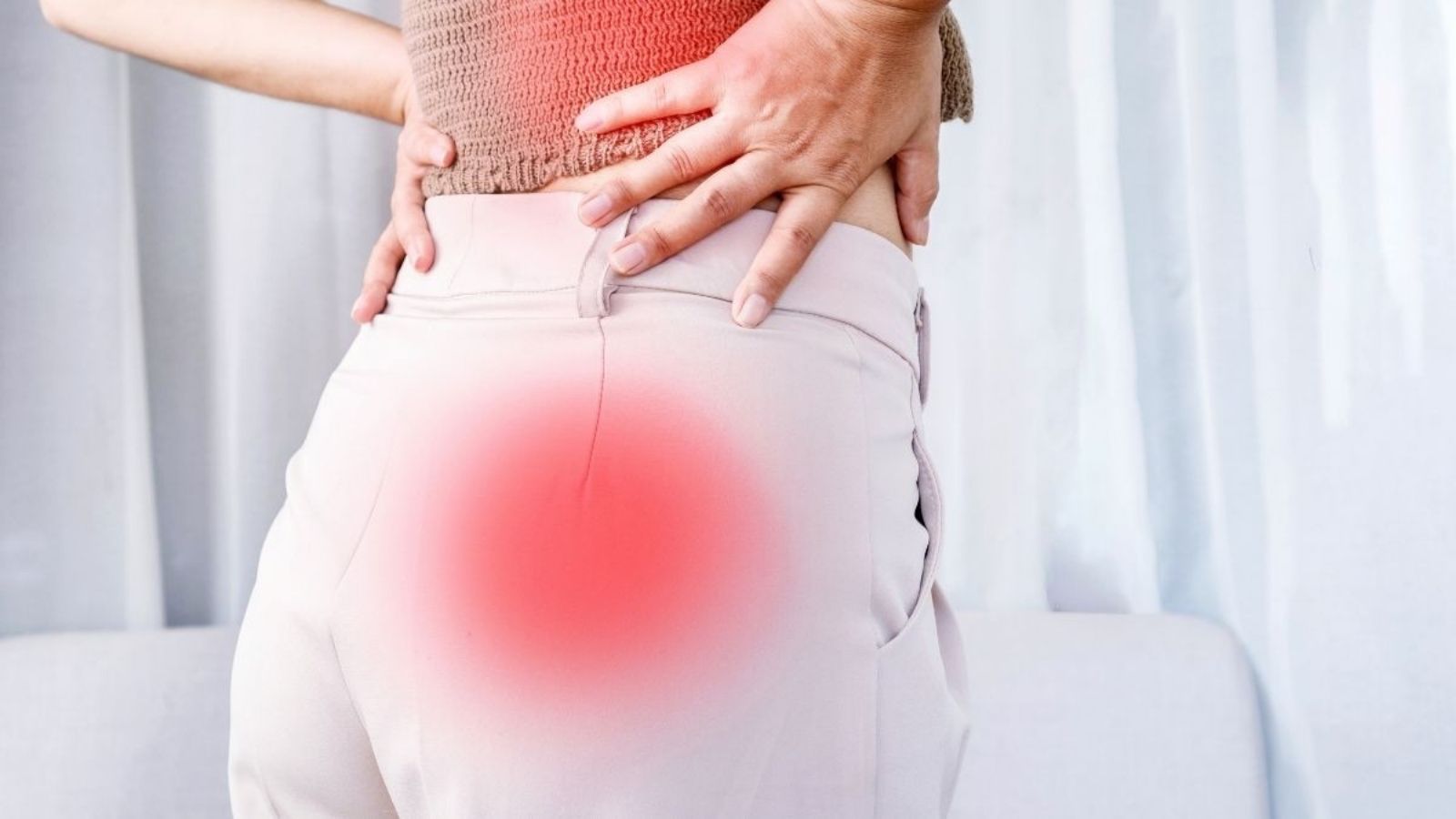
A common question among people dealing with persistent leg and lower back pain is whether relief is possible without relying on medication.
Sciatica can make ordinary activities such as sitting, walking, sleeping, or bending uncomfortable. When symptoms continue, some people begin looking for approaches that focus on pain management without adding another medication to their routine.
Acupuncture treatment for sciatica offers one approach. Treatment considers symptom patterns, muscle tension, movement, and other factors rather than focusing only on the area where pain is felt.
Understanding Sciatica Symptoms
A common misconception is that sciatica is severe lower back pain.
Sciatica involves irritation or compression affecting the sciatic nerve or its nerve roots. Pain may begin in the lower back or buttock and travel down the leg.
Symptoms can include:
- Sharp or burning pain
- Tingling
- Numbness
- Muscle weakness
- Pain that travels into the buttock or leg
- Symptoms that worsen with certain positions or movements
The pattern of symptoms matters because the most uncomfortable area is not always the only area involved.
A recurring observation in pain management is that someone may experience significant leg pain while having relatively little discomfort in the lower back. Looking at the entire symptom pattern provides more useful information than focusing only on the location of pain.
Acupuncture for Sciatica and Pain Relief
The question many people ask is how acupuncture can help when it does not physically remove a disc problem or repair a compressed nerve.
Acupuncture uses thin needles to stimulate specific points on the body. From a Traditional Chinese Medicine perspective, treatment is based on individual patterns and the movement of Qi. From a biomedical perspective, acupuncture may influence nervous system activity and the way the body processes pain.
Treatment may also address muscular tension surrounding painful areas.
When pain continues, surrounding muscles can become tense as the body attempts to protect the affected area. This tension may contribute to stiffness and make certain movements more uncomfortable.
Acupuncture may help address:
- Pain perception
- Muscle tension
- Local sensitivity
- Movement-related discomfort
- General relaxation
Research suggests acupuncture may help some people with back and musculoskeletal pain. Evidence specifically related to sciatica remains limited, so treatment should not be presented as a guaranteed cure.
The Acupuncture Treatment Process
A common misconception is that acupuncture treatment for sciatica involves placing needles around the lower back.
Treatment begins with an assessment of the symptoms and the individual’s overall condition. The practitioner may consider where the pain begins and travels, how long symptoms have been present, whether numbness or tingling occurs, and which activities or positions affect the pain.
Other factors may include:
- Areas of muscle tension
- Movement limitations
- Changes in symptoms over time
- Previous treatment
- Other factors that may influence care
Needles are then placed at selected acupuncture points based on the treatment approach. The points may not be located directly over the area that hurts most.
For example, someone with pain extending from the lower back through the buttock and into the leg may also have muscle tightness or restricted movement that influences the treatment approach. This is why two people with similar descriptions of sciatica may receive different acupuncture treatments.
Acupuncture may also be combined with therapies such as electrostimulation, cupping, and moxibustion. These approaches can be considered according to individual treatment needs rather than automatically applied to every case.
Acupuncture Alongside Other Care
Choosing acupuncture does not mean avoiding conventional medical care.
Sciatica can have different underlying causes. Acupuncture may help manage pain and related symptoms, but it does not necessarily correct a structural condition causing nerve irritation.
The distinction is important:
| Area of care | Acupuncture may help with | Other care may be needed for |
|---|---|---|
| Pain | Managing pain intensity and discomfort | Medication or other pain management options |
| Muscle tension | Reducing tension around painful areas | Targeted physical therapy or exercise |
| Movement | Easing movement-related discomfort | Restoring strength, flexibility, and mobility |
| Nerve irritation | Managing symptoms associated with irritation | Identifying and treating the underlying cause |
| Structural problems | Supporting symptom management | Conditions such as herniated discs or spinal compression |
Depending on the underlying problem, a broader care plan may include:
- Acupuncture
- Physical therapy
- Movement and exercise guidance
- Medical evaluation
- Activity modification
- Other pain management approaches
Acupuncture treatment for sciatica can be considered as part of a broader approach when appropriate. The goal is to provide another option for managing symptoms without relying exclusively on medication.
Warning Signs That Need Medical Attention
While acupuncture can be included in a broader approach to symptom management, certain changes in symptoms require medical attention first.
Urgent medical evaluation is important when symptoms include:
- New loss of bladder or bowel control
- Difficulty passing urine
- Numbness around the genitals or anus
- Severe or worsening weakness
- Symptoms affecting both legs
- Significant changes in neurological function
These symptoms can indicate a more serious spinal problem that requires prompt assessment.
Even without these warning signs, persistent or worsening symptoms may warrant medical evaluation to determine what is causing the nerve irritation.
The practical point is that acupuncture can be considered for pain management, but identifying the cause remains important when symptoms persist, change, or interfere significantly with normal activities.
Acupuncture for Sciatica Relief
Acupuncture treatment for sciatica may provide an option for managing pain, muscle tension, and related discomfort without relying exclusively on medication.
The approach focuses on symptom management rather than promising to correct every underlying cause of sciatica. Understanding the symptom pattern and establishing realistic treatment goals can help determine whether acupuncture is appropriate.
For people exploring acupuncture as part of a broader pain management plan, an individualized assessment can help determine whether the approach fits the symptoms and overall care needs.
Frequently Asked Questions
Is acupuncture appropriate for sudden sciatica symptoms?
Sudden sciatica symptoms should be considered in the context of their severity and accompanying symptoms. New weakness, significant numbness, or bladder and bowel changes require medical assessment rather than relying on acupuncture alone.
Can acupuncture help when sciatica affects sleep?
Pain that repeatedly interrupts sleep can affect daily function and recovery. Acupuncture may be considered as part of a pain management plan when discomfort makes it difficult to rest, although the response varies between individuals.
Is it necessary to stop pain medication before acupuncture?
Not necessarily. Acupuncture does not automatically require stopping prescribed or over-the-counter medication. Medication changes should be discussed with the healthcare professional who recommended the medication.
Can acupuncture help with longstanding sciatica?
Acupuncture may be considered for persistent pain, but the expected response depends on factors such as the underlying cause, duration, and severity of symptoms. Longstanding symptoms may also require evaluation of contributing factors beyond pain itself.
What should be reported during acupuncture treatment?
New or worsening symptoms such as weakness, increasing numbness, significant changes in pain, or other neurological symptoms should be reported to the practitioner. Some changes may require medical evaluation before additional treatment.
About Farrah Hamraie
Farrah Hamraie, L.Ac, MOM, Dipl.OM (NCCAOM), is licensed and board-certified in Acupuncture and Herbal Medicine in the State of Texas with a Master of Oriental Medicine from the Dallas College of Oriental Medicine.
She is also a Diplomat of NCCAOM (the National Certification Commission for Acupuncture and Oriental Medicine), a Board Certified Acupuncturist, a Chinese Herbalist, and a member of the American Association of Oriental Medicine.
Contact us today.


